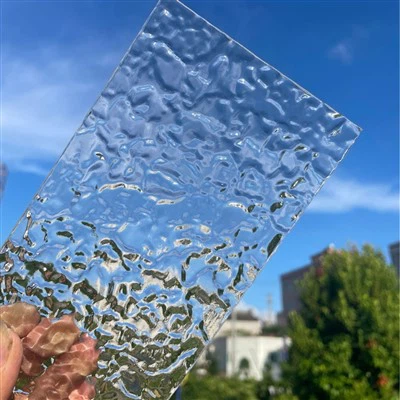
PVC Celuka foam board is a versatile and widely used material in various industries, including advertising, construction, and furniture manufacturing. As a supplier of PVC Celuka foam board, I often get asked about its environmental impact, particularly whether it can be recycled. In this blog post, I'll explore the recyclability of PVC Celuka foam board, the recycling process, and the challenges and opportunities associated with it.
Understanding PVC Celuka Foam Board
Before delving into its recyclability, it's essential to understand what PVC Celuka foam board is. PVC, or polyvinyl chloride, is a synthetic plastic polymer known for its durability, chemical resistance, and flexibility. Celuka foam board is a type of PVC foam board that has a unique cellular structure, which gives it a lightweight yet rigid quality.
This material is popular for a variety of applications due to its excellent properties. For instance, Thick PVC Foam Board is often used in construction for partitions and signage, as it can withstand harsh environmental conditions. White PVC Foam Board is favored in advertising for its smooth surface and ability to hold high - quality prints. Meanwhile, Black PVC Foam Board is used in applications where a sleek and modern appearance is desired, such as in furniture design.
The Recyclability of PVC Celuka Foam Board
The short answer is yes, PVC Celuka foam board can be recycled. However, the process is more complex compared to some other materials like paper or aluminum. PVC is a thermoplastic, which means it can be melted and reformed into new products when subjected to heat.
The recycling of PVC Celuka foam board typically starts with the collection of post - consumer or post - industrial waste. Post - consumer waste includes items like old signs or discarded furniture made from PVC Celuka foam board, while post - industrial waste consists of scraps generated during the manufacturing process.
Once collected, the PVC Celuka foam board is sorted to remove any contaminants such as adhesives, labels, or other non - PVC materials. This step is crucial because contaminants can affect the quality of the recycled material. After sorting, the foam board is shredded into small pieces. These pieces are then washed to remove any remaining dirt or debris.
The shredded and washed PVC pieces are then melted in a specialized extruder. During the melting process, additives may be added to improve the properties of the recycled PVC. The molten PVC is then formed into new products, such as pipes, profiles, or even new foam boards.
Challenges in Recycling PVC Celuka Foam Board
Despite the technical possibility of recycling PVC Celuka foam board, there are several challenges that hinder its widespread recycling.
One of the main challenges is the presence of additives in PVC. PVC Celuka foam board often contains additives such as plasticizers, stabilizers, and flame retardants. These additives can make the recycling process more difficult because they need to be carefully managed to ensure the quality of the recycled material. For example, some plasticizers can migrate out of the PVC over time and may contaminate the recycling equipment or the final recycled product.
Another challenge is the lack of a well - established recycling infrastructure for PVC Celuka foam board. Unlike some more commonly recycled materials, there are fewer recycling facilities equipped to handle PVC foam board. This limited infrastructure means that collection and transportation costs can be relatively high, making it less economically viable for some recyclers.
In addition, public awareness about the recyclability of PVC Celuka foam board is relatively low. Many consumers and businesses may not be aware that this material can be recycled, and as a result, they may dispose of it in landfills instead of recycling it.
Opportunities for Improving Recycling Rates
Despite the challenges, there are also several opportunities to improve the recycling rates of PVC Celuka foam board.
One opportunity is to develop better recycling technologies. Research and development efforts are underway to find more efficient ways to remove additives from PVC during the recycling process. This would not only improve the quality of the recycled material but also make the recycling process more cost - effective.
Another opportunity lies in increasing public awareness. As a supplier of PVC Celuka foam board, I believe it's our responsibility to educate our customers about the importance of recycling this material. By providing information about the recyclability of our products and promoting proper disposal methods, we can encourage more people to recycle PVC Celuka foam board.
Collaboration between different stakeholders is also crucial. Manufacturers, recyclers, and government agencies can work together to establish a more comprehensive recycling infrastructure. For example, manufacturers can design products with recycling in mind, making it easier to separate and recycle PVC Celuka foam board. Recyclers can invest in new technologies and facilities to improve their recycling capabilities, and government agencies can provide incentives and regulations to support recycling efforts.
The Environmental Impact of Recycling PVC Celuka Foam Board
Recycling PVC Celuka foam board has several environmental benefits. By recycling this material, we can reduce the amount of waste sent to landfills. Landfills are a major source of greenhouse gas emissions, as the decomposition of organic and inorganic materials in landfills produces methane, a potent greenhouse gas.
Recycling also conserves natural resources. Producing new PVC from virgin materials requires significant amounts of energy and raw materials. By using recycled PVC, we can reduce the demand for virgin materials and lower the energy consumption associated with the manufacturing process.


In addition, recycling PVC Celuka foam board can help to reduce the environmental impact of the PVC industry. PVC production has been associated with some environmental and health concerns, such as the release of dioxins during the manufacturing process. By recycling PVC, we can extend the life cycle of the material and reduce the need for new production, thereby minimizing these negative impacts.
Contact for Purchase and Discussion
As a trusted supplier of PVC Celuka foam board, we offer a wide range of high - quality products to meet your specific needs. Whether you're looking for Thick PVC Foam Board, White PVC Foam Board, or Black PVC Foam Board, we have the right solution for you.
If you're interested in purchasing our PVC Celuka foam board or discussing how to make the most environmentally friendly choices for your projects, please don't hesitate to contact us. We're always happy to assist you with your inquiries and help you find the best products for your applications.
References
- "Polyvinyl Chloride (PVC) Recycling Guide." The Plastics Industry Association.
- "The Environmental Impact of PVC," Environmental Protection Agency.
- "Recycling Technologies for PVC Foam Materials," Journal of Recycling Research.