


As a supplier of Fabric Acrylic Sheets, I'm often asked about the process of assembling a greenhouse using these versatile materials. In this blog post, I'll guide you through the step-by-step process of assembling a greenhouse with fabric acrylic sheets, sharing tips and insights along the way to ensure a successful project.
Understanding Fabric Acrylic Sheets
Before we dive into the assembly process, let's take a moment to understand what fabric acrylic sheets are and why they're a great choice for greenhouse construction. Fabric acrylic sheets are a type of lightweight, flexible, and durable material that combines the transparency of acrylic with the strength and flexibility of fabric. They offer several advantages over traditional glass or rigid plastic panels, including:
- Lightweight: Fabric acrylic sheets are much lighter than glass or rigid plastic panels, making them easier to handle and install. This can save you time and effort during the assembly process, especially if you're working on a larger greenhouse project.
- Flexible: Unlike rigid panels, fabric acrylic sheets can be bent and shaped to fit a variety of greenhouse designs. This allows for greater flexibility in terms of design and can help you create a custom greenhouse that meets your specific needs and preferences.
- Durable: Fabric acrylic sheets are highly resistant to impact, weathering, and UV radiation, making them a long-lasting and reliable choice for greenhouse construction. They can withstand harsh environmental conditions and provide years of trouble-free use.
- Transparent: Fabric acrylic sheets offer excellent transparency, allowing sunlight to penetrate the greenhouse and provide the necessary light for plant growth. This can help you create a healthy and productive growing environment for your plants.
Choosing the Right Fabric Acrylic Sheets
The first step in assembling a greenhouse with fabric acrylic sheets is to choose the right type of sheets for your project. There are several factors to consider when selecting fabric acrylic sheets, including:
- Thickness: Fabric acrylic sheets come in a variety of thicknesses, ranging from thin and flexible to thick and rigid. The thickness you choose will depend on the size and design of your greenhouse, as well as the environmental conditions in your area. Thicker sheets are generally more durable and provide better insulation, but they may also be heavier and more difficult to install.
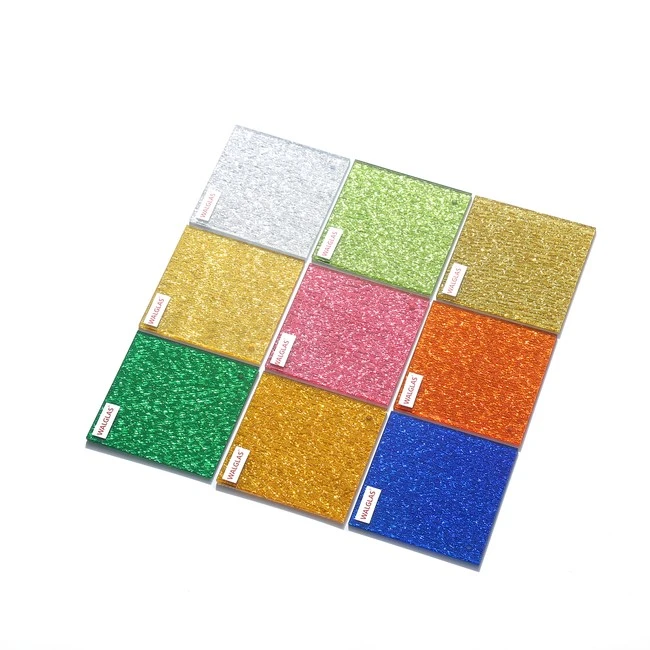
- Color: Fabric acrylic sheets are available in a range of colors, including clear, tinted, and opaque. The color you choose will depend on your personal preferences and the specific needs of your plants. Clear sheets allow for maximum sunlight penetration, while tinted or opaque sheets can provide some shading and protection from UV radiation.
- Size: Fabric acrylic sheets are typically available in standard sizes, but you can also have them custom-cut to fit your specific greenhouse design. When choosing the size of your sheets, make sure to measure the dimensions of your greenhouse frame carefully to ensure a proper fit.
- Quality: Not all fabric acrylic sheets are created equal, so it's important to choose a high-quality product from a reputable supplier. Look for sheets that are made from high-grade materials and have been tested for durability and performance. You can also read customer reviews and testimonials to get an idea of the quality of the product before making a purchase.
Preparing the Greenhouse Frame
Once you've chosen the right fabric acrylic sheets for your greenhouse, the next step is to prepare the greenhouse frame. The frame is the structure that will support the fabric acrylic sheets and provide the overall shape and stability of the greenhouse. When preparing the greenhouse frame, it's important to follow the manufacturer's instructions carefully and use the appropriate tools and materials.
- Choose the Right Frame Material: The most common materials used for greenhouse frames include wood, metal, and PVC. Each material has its own advantages and disadvantages, so it's important to choose the one that best suits your needs and budget. Wood is a traditional and attractive option, but it requires regular maintenance and may not be as durable as metal or PVC. Metal is strong and durable, but it can be expensive and may rust over time. PVC is lightweight, affordable, and easy to work with, but it may not be as strong as wood or metal.
- Measure and Cut the Frame Components: Once you've chosen the right frame material, the next step is to measure and cut the frame components to the appropriate length and size. Make sure to use a sharp saw and measure twice to ensure accurate cuts. You can also use a miter saw to make angled cuts for the corners of the frame.
- Assemble the Frame: After cutting the frame components, the next step is to assemble the frame. You can use screws, nails, or bolts to connect the components together, depending on the type of frame material you're using. Make sure to use a level to ensure that the frame is straight and level before attaching the fabric acrylic sheets.
- Install the Foundation: Once the frame is assembled, the next step is to install the foundation. The foundation will provide a stable base for the greenhouse and prevent it from shifting or sinking over time. You can use concrete blocks, gravel, or a poured concrete foundation, depending on the size and design of your greenhouse.
Installing the Fabric Acrylic Sheets
Once the greenhouse frame is prepared and the foundation is installed, the next step is to install the fabric acrylic sheets. Installing the sheets can be a bit tricky, but with the right tools and techniques, you can do it yourself.
- Prepare the Sheets: Before installing the fabric acrylic sheets, make sure to clean them thoroughly with a mild soap and water solution. This will remove any dirt, dust, or debris that may be on the surface of the sheets and ensure a good bond with the frame. You can also use a lint-free cloth to dry the sheets after cleaning.
- Cut the Sheets to Size: Once the sheets are clean and dry, the next step is to cut them to the appropriate size and shape. Make sure to measure the dimensions of the frame carefully and add a few extra inches to the length and width of the sheets to allow for overlap and trimming. You can use a sharp utility knife or a pair of scissors to cut the sheets.
- Attach the Sheets to the Frame: After cutting the sheets to size, the next step is to attach them to the frame. You can use a variety of methods to attach the sheets, including screws, nails, clips, or adhesive tape. Make sure to use the appropriate method for the type of frame material you're using and follow the manufacturer's instructions carefully. When attaching the sheets, make sure to pull them tight and smooth out any wrinkles or bubbles.
- Seal the Edges: Once the sheets are attached to the frame, the next step is to seal the edges to prevent air and water from leaking in. You can use a silicone sealant or a weatherstripping tape to seal the edges of the sheets. Make sure to apply the sealant or tape evenly and press it firmly against the frame to ensure a good seal.
Adding Finishing Touches
Once the fabric acrylic sheets are installed and the edges are sealed, the next step is to add the finishing touches to your greenhouse. This can include adding vents, doors, shelves, and other accessories to make your greenhouse more functional and comfortable.
- Install Vents: Vents are an important part of any greenhouse, as they allow for proper ventilation and air circulation. You can install vents in the roof or walls of your greenhouse to allow hot air to escape and fresh air to enter. Make sure to choose vents that are the appropriate size and style for your greenhouse and follow the manufacturer's instructions carefully when installing them.
- Add Doors: Doors are another important part of any greenhouse, as they provide access to the inside of the greenhouse and allow you to move plants and equipment in and out. You can choose from a variety of door styles, including sliding doors, hinged doors, and roll-up doors. Make sure to choose a door that is the appropriate size and style for your greenhouse and follow the manufacturer's instructions carefully when installing it.
- Install Shelves: Shelves are a great way to maximize the growing space in your greenhouse and keep your plants organized. You can install shelves on the walls or in the corners of your greenhouse to create additional growing areas. Make sure to choose shelves that are the appropriate size and weight capacity for your plants and follow the manufacturer's instructions carefully when installing them.
- Add Other Accessories: Depending on your needs and preferences, you can also add other accessories to your greenhouse, such as fans, heaters, lights, and irrigation systems. These accessories can help you create a more controlled and comfortable growing environment for your plants and make your greenhouse more efficient and productive.
Conclusion
Assembling a greenhouse with fabric acrylic sheets is a great way to create a custom growing environment for your plants. With the right tools, materials, and techniques, you can assemble a greenhouse that is durable, functional, and beautiful. As a supplier of Fabric Acrylic Sheets, we offer a wide range of high-quality sheets in a variety of sizes, colors, and thicknesses to meet your specific needs and preferences. We also provide expert advice and support to help you choose the right sheets for your project and ensure a successful installation. If you're interested in learning more about our products or have any questions about assembling a greenhouse with fabric acrylic sheets, please don't hesitate to [contact us for a purchase discussion]. We look forward to hearing from you!
References
- Greenhouse Gardening: A Beginner's Guide
- How to Build a Greenhouse
- Benefits of Using Fabric Acrylic Sheets in Greenhouse Construction
Remember to replace the placeholder links in the references with actual valid sources that are relevant to the content. Also, when using the text in a real - world scenario, ensure that the contact - for - purchase - discussion part is replaced with an appropriate way for your business to engage with potential customers. And here are the inserted hyperlinks as requested:
If you're looking for some unique options, you can explore our Iridescent Acrylic Sheet which adds a touch of magic to your greenhouse. We also have Fancy Acrylic Sheet for a more decorative look and Painting Acrylic Panels that can be customized according to your style.


