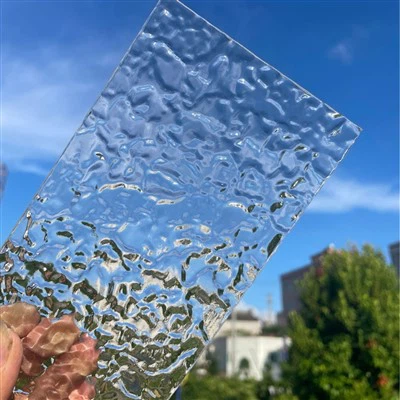
Hey there! As a supplier of acrylic products, I've seen my fair share of scratched-up items. It's a real bummer when a beautiful acrylic piece gets marred by scratches, whether it's an Acrylic Shower Curtain Rod, Acrylic Building Blocks, or an Acrylic Magnetic Photo Frame. But don't worry! I'm here to share some tips on how to prevent those pesky scratches and keep your acrylic products looking brand new.
Understanding Acrylic
First things first, let's talk a bit about acrylic. Acrylic is a great material. It's lightweight, shatter-resistant, and has a high optical clarity, which makes it look almost like glass. But it's also a bit softer than glass, which means it's more prone to scratches. That's why it's important to handle acrylic products with care.
Proper Handling
One of the easiest ways to prevent scratches is to handle your acrylic products properly. When you're moving or installing an acrylic item, make sure your hands are clean and dry. Grease, dirt, and moisture on your hands can cause scratches when you touch the surface. If possible, wear soft, clean gloves to avoid direct contact with the acrylic.
When you're picking up an acrylic product, hold it by the edges or the frame. Avoid touching the flat surface as much as possible. For larger items, like an acrylic shower curtain rod, get some help. Trying to lift a heavy acrylic piece on your own can lead to accidental drops or bumps, which can cause scratches.
Storage
How you store your acrylic products also matters. If you're not using an acrylic item right away, store it in a clean, dry place. Avoid storing it in a place where it can be bumped or rubbed against other objects. You can use soft padding, like foam or felt, to separate acrylic items from each other and from other hard surfaces.
For smaller acrylic products, like acrylic building blocks or photo frames, you can store them in a box lined with soft material. Make sure the box is labeled clearly so you know what's inside and can handle it with care.
Cleaning
Cleaning your acrylic products regularly is important, but you have to do it the right way. Using the wrong cleaning products or techniques can cause scratches.
First, choose a mild, non-abrasive cleaner. You can use a mixture of water and a little bit of dish soap. Avoid using ammonia-based cleaners, as they can damage the acrylic. Also, stay away from abrasive sponges or scrubbers. Instead, use a soft, microfiber cloth.
To clean the acrylic, dampen the microfiber cloth with the cleaning solution. Gently wipe the surface in a circular motion. Don't press too hard. After you've wiped the surface, use a dry, clean microfiber cloth to dry it. This will prevent water spots and streaks.
Protective Films
Many acrylic products come with a protective film on the surface. Don't remove this film until you're ready to use the product. The film acts as a barrier and protects the acrylic from scratches during shipping and handling.
If your acrylic product doesn't come with a protective film, you can buy one separately. There are different types of protective films available, so make sure you choose one that's suitable for acrylic. Apply the film carefully, following the instructions on the package. This will give your acrylic product an extra layer of protection.
Avoiding Sharp Objects
It might seem obvious, but it's important to keep sharp objects away from your acrylic products. Even a small scratch from a key or a knife can be noticeable on the clear surface of acrylic.


When you're using an acrylic item, like an acrylic magnetic photo frame, make sure there are no sharp edges on the photos or the magnets. If you're placing an acrylic shower curtain rod near a window, make sure there are no sharp branches or other objects that could scratch it if they blow against it.
Using Furniture Pads
If you're placing an acrylic product on a table or other surface, use furniture pads. These pads can prevent scratches from the surface of the table. You can use felt pads or rubber pads, depending on the type of surface.
For example, if you're placing an acrylic building block set on a wooden table, put felt pads on the bottom of each block. This will protect both the table and the acrylic blocks from scratches.
Regular Inspections
Make it a habit to inspect your acrylic products regularly. Look for any signs of scratches or damage. If you catch a scratch early, you might be able to fix it before it gets worse.
You can use a soft, dry cloth to gently wipe the surface and check for scratches. If you find a scratch, don't panic. There are ways to repair minor scratches on acrylic, but that's a topic for another blog post.
Conclusion
Preventing scratches on acrylic products is all about being careful and taking the right precautions. By following these tips, you can keep your acrylic items looking great for a long time.
If you're interested in purchasing high-quality acrylic products, whether it's an Acrylic Shower Curtain Rod, Acrylic Building Blocks, or an Acrylic Magnetic Photo Frame, I'd love to hear from you. Just reach out to me, and we can start a conversation about your needs.
References
- "Acrylic: Properties and Uses." Plastics Technology Handbook.
- "How to Clean and Maintain Acrylic Products." DIY Home Improvement Magazine.