


Storing an acrylic box frame properly is crucial, especially for suppliers like me. As a provider of high - quality Acrylic Box Frame, I understand the significance of correct storage methods to maintain the product's integrity and appearance. In this blog, I'll share some scientific and practical tips on how to store acrylic box frames effectively.
1. Understanding the Properties of Acrylic
Before delving into storage techniques, it's essential to understand the properties of acrylic. Acrylic, also known as polymethyl methacrylate (PMMA), is a lightweight, transparent thermoplastic. It has good optical clarity, high impact resistance compared to glass, and is relatively easy to fabricate. However, it is also susceptible to scratches, chemical damage, and can be affected by extreme temperatures.
2. Pre - storage Preparation
Cleaning
Before storing the acrylic box frames, they should be thoroughly cleaned. Use a mild soap solution and a soft, lint - free cloth to wipe the frames. Avoid using abrasive cleaners or rough sponges, as they can scratch the acrylic surface. Rinse the frames with clean water and dry them completely with a soft, dry cloth. This helps to remove any dirt, dust, or fingerprints that could potentially cause damage during storage.
Inspection
Conduct a detailed inspection of each acrylic box frame. Look for any cracks, chips, or other defects. If any issues are found, separate the damaged frames from the undamaged ones. This not only helps in preventing further damage to other frames but also allows for proper handling of the defective products, such as repair or replacement.
3. Storage Environment
Temperature and Humidity
Acrylic box frames should be stored in an environment with stable temperature and humidity. The ideal temperature range is between 18°C and 25°C (64°F - 77°F), and the relative humidity should be maintained at around 40% - 60%. Extreme temperatures can cause the acrylic to expand or contract, leading to warping or cracking. High humidity can promote the growth of mold and mildew on the frames, while low humidity can make the acrylic brittle.
Light Exposure
Exposure to direct sunlight or strong artificial light for extended periods can cause the acrylic to yellow and degrade over time. Therefore, store the acrylic box frames in a dark or dimly lit area. If possible, use opaque storage containers or cover the frames with a light - blocking material.
Ventilation
Good ventilation is necessary to prevent the accumulation of volatile organic compounds (VOCs) and moisture. Storing the frames in a well - ventilated area helps to maintain a healthy storage environment and reduces the risk of chemical reactions that could damage the acrylic.
4. Storage Containers
Material
Choose storage containers made of materials that are non - abrasive and won't react with the acrylic. Plastic containers made of high - density polyethylene (HDPE) or polypropylene are good options. These materials are durable, lightweight, and resistant to moisture. Avoid using metal containers, as they can scratch the acrylic and may also cause corrosion if they come into contact with moisture.
Size and Design
The storage containers should be appropriately sized for the acrylic box frames. They should provide enough space to prevent the frames from being squeezed or stacked too tightly, which could lead to scratches or deformation. Consider using containers with dividers or compartments to keep the frames separated and organized.
5. Stacking and Placement
Stacking
When stacking acrylic box frames, it's important to do it carefully. Place a soft, non - abrasive material, such as a foam sheet or a felt pad, between each frame to prevent scratching. Stack the frames in a stable manner, ensuring that the weight is evenly distributed. Avoid stacking the frames too high, as this can increase the risk of the stack toppling over and causing damage.
Placement
Store the stacked frames in an upright position whenever possible. This helps to maintain the shape of the frames and reduces the stress on the corners and edges. If the frames need to be stored horizontally, make sure the surface they are placed on is flat and smooth to prevent warping.
6. Protection During Storage
Packaging
In addition to using storage containers, individual acrylic box frames can be wrapped in a protective material, such as bubble wrap or anti - static plastic film. This provides an extra layer of protection against scratches and dust.
Labels
Label the storage containers clearly with information such as the type of acrylic box frames, quantity, and any special handling instructions. This makes it easier to locate and retrieve the frames when needed.
7. Regular Maintenance
Even when in storage, acrylic box frames require regular maintenance. Check the storage area periodically for any signs of damage, such as water leaks, mold growth, or pest infestation. Inspect the frames themselves for any changes in appearance or condition. If any issues are detected, take appropriate action immediately.

8. Comparison with Other Acrylic Products
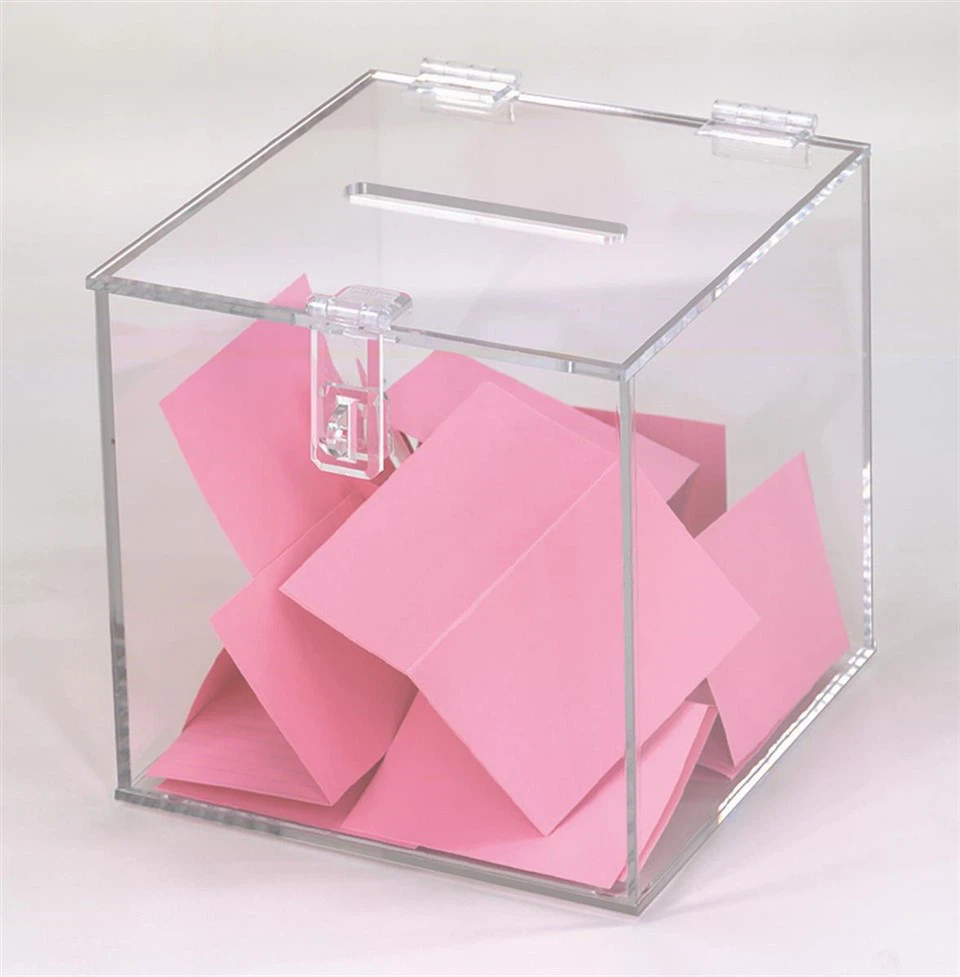
It's interesting to compare the storage requirements of acrylic box frames with other acrylic products, such as Acrylic Cards Box and Acrylic Display Box. While the basic principles of storage, such as temperature, humidity, and light control, are similar, there are some differences.
Acrylic cards boxes are usually smaller and more delicate. They may require more careful handling during storage to prevent bending or warping. Additionally, because they are often used to store cards, they need to be stored in a clean environment to avoid dust or debris getting inside.
Acrylic display boxes, on the other hand, are often larger and may have more complex designs. They may require more space for storage and may need to be stored in a way that protects their unique features, such as glass panels or decorative elements.
9. Conclusion and Call to Action
Proper storage of acrylic box frames is essential to ensure their quality and longevity. By following the tips outlined in this blog, you can effectively store your acrylic box frames and maintain their excellent condition.
If you are interested in purchasing high - quality acrylic box frames, Acrylic Cards Box, or Acrylic Display Box, please feel free to contact us for further details and to discuss your specific requirements. We are committed to providing you with the best products and services.
References
- ASTM International. (Year). Standard test methods for properties of acrylic plastics. ASTM D4806 - XX.
- Smith, J. (Year). Handbook of Acrylic Plastics. Publisher Name.
- American Chemistry Council. (Year). Acrylic Resins: Properties and Applications.


