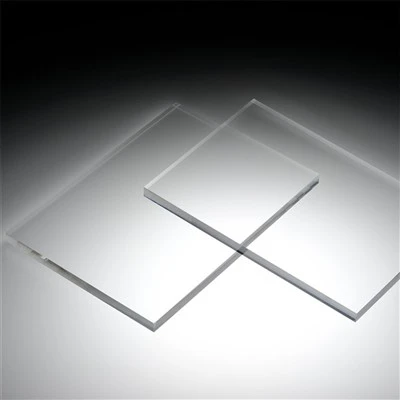
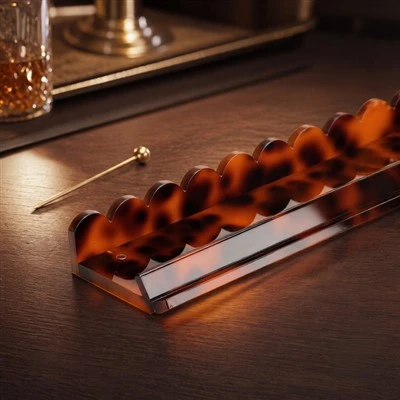
One of the most expensive mistakes engineering teams make is confusing acrylic (PMMA) with polycarbonate (PC). While both are highly transparent industrial plastics, their physical properties, impact thresholds, and UV stability differ dramatically. Choosing polycarbonate for a project that only requires acrylic will destroy your budget, while using acrylic where bulletproof strength is needed creates a severe safety liability.
At WALGLAS, we guide global buyers through these critical material selections daily. This technical breakdown will help your procurement team understand exactly when to use each material, preventing catastrophic project failures and optimizing your manufacturing costs.
Core Technical Differences
| Parameter | Acrylic Sheet (PMMA) | Polycarbonate Sheet (PC) |
| Impact Resistance | 10 to 17 times stronger than glass | 250 times stronger than glass (Virtually unbreakable) |
| Light Transmission | 93% (Crystal clear optical transparency) | 88% (Slightly darker, less brilliant) |
| UV Weatherability | Excellent (Will not yellow outdoors) | Poor (Yellows rapidly without expensive UV coatings) |
| Scratch Resistance | Good (Naturally hard surface) | Poor (Scratches very easily under normal handling) |
| Laser Cutting | Excellent (Produces smooth polished edges) | Poor (Burns, melts, and produces toxic fumes) |
| Material Cost | Highly cost-effective for commercial volume | Premium pricing for extreme heavy-duty performance |
When to Choose Acrylic (PMMA)
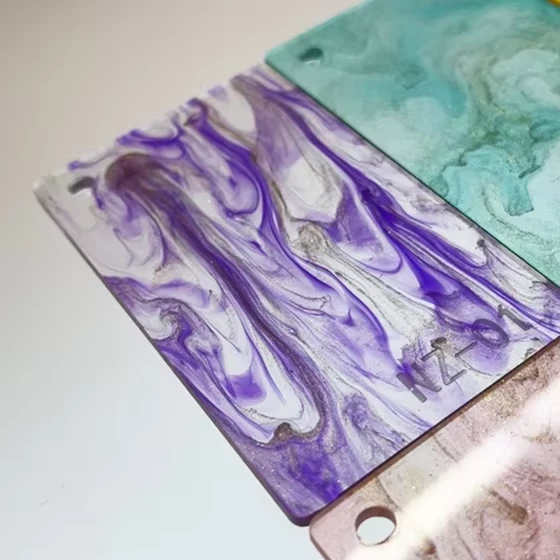 Outdoor Retail Signage
Naturally UV stable. Withstands years of direct sunlight without turning yellow or becoming brittle, ensuring long-lasting brand visibility outdoors.
Premium Cosmetic Displays
Delivers 93% light transmission. Diamond-polished edges provide a luxurious, glass-like aesthetic that polycarbonate simply cannot match.
Laser Cut Components
Vaporizes cleanly under laser beams. Produces smooth, glossy polished edges instantly without leaving burnt marks or toxic smoke.
Cost-Effective Glazing
Provides superior clarity and sufficient impact resistance for standard museum cases, retail shelving, and commercial greenhouse panels.
When to Choose Polycarbonate (PC)
High-Security Glazing
Offers extreme impact resistance. Essential for bank teller windows, riot shields, and prison glazing where bulletproof performance is required.
Heavy Machine Guards
Survives massive industrial impacts. Protects factory workers from flying metal debris without shattering or cracking under severe pressure.
Cold-Bending Applications
Can be bent aggressively at room temperature without cracking. Perfect for curved architectural roofing and specialized aerospace components.
High Heat Environments
Maintains structural stability at higher operating temperatures compared to acrylic, making it suitable for high-heat lighting fixtures.
Common Engineering Mistakes to Avoid
Specifying PC for Sunlit Areas
Standard polycarbonate yellows rapidly under UV light. Always use acrylic for outdoor signs unless buying expensive UV-coated PC.
Using Abrasives on Polycarbonate
Polycarbonate is incredibly soft. Wiping it with rough paper towels will instantly cause permanent surface scratching and cloudiness.
Overspending on Bulletproof Specs
Do not buy expensive polycarbonate for standard retail displays. Acrylic provides perfect clarity and sufficient strength for commercial uses.