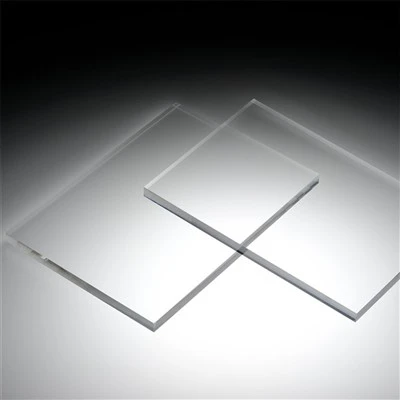
Over time, many users will find that acrylic sheets are gradually yellowing. Prolonged exposure to sunlight, ultraviolet rays will destroy the molecular structure of acrylic sheet; cleaning agents, smoke and other chemicals may penetrate the surface of the sheet, causing discolouration; after a long period of use, the additives (such as stabilizers) inside the acrylic sheet may fail, resulting in yellowing.
For mild yellowing of the acrylic sheet, you can use the tiny particles in the toothpaste can play an abrasive role in removing the surface oxidation layer. Simply wash the surface of the acrylic sheet with water to remove dust and stains. Apply a small amount of toothpaste (white paste is recommended) to the yellowed area. Rub gently with a soft cloth or sponge in a circular motion for 5-10 minutes. Rinse off with water and dry with a dry cloth. Restores about 70% of translucency and is suitable for small refurbishments. The cost is almost zero (utilising existing toothpaste at home).
Moderate yellowing will need to take advantage of the chemical reaction between baking soda and white vinegar can break down the surface dirt and oxidation layer. Mix baking soda and white vinegar in equal proportions to make a paste. Dip a soft cloth into it and apply it evenly to the yellowed area. Let it sit for 10-15 minutes to allow the mixture to fully react. Rinse off with water and dry with a dry cloth. It will restore 60-80% of the translucency and is suitable for larger areas of refurbishment.
If it is very yellow you need to use professional polish, which contains micro-abrasive particles and antioxidant ingredients to deeply clean and repair the surface. Acrylic sheet yellowing is not terrible, as long as you master the correct refurbishment method, you can easily restore its beauty and functionality. So if your acrylic sheet for garden shed windows, acrylic sheet for home decor, acrylic sheet for interior design and so on acrylic products are yellowing you can use these methods.