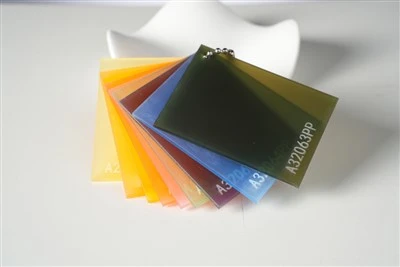
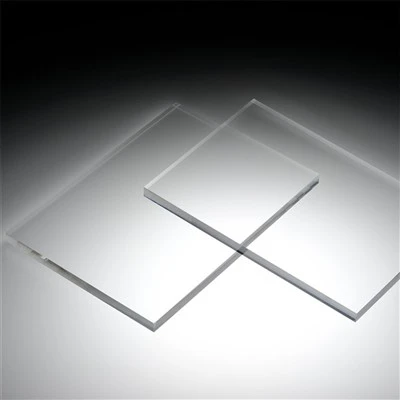
The global optical acrylic sheet market is experiencing an unprecedented surge in demand, with the automotive and AR/VR (augmented Reality/Virtual Reality) industries becoming the main growth engines. Optical acrylic sheet is renowned for its outstanding light transmittance (up to 92%), anti-breakage property and light weight, and has become an indispensable product in high-tech manufacturing. Industry reports indicate that driven by technological advancements in end-use industries and the increasing demand for high-performance optical materials, the global optical acrylic sheet market size is expected to grow at a compound annual growth rate of 8.5% from 2025 to 2030.
Automotive industry: Fuel adoption for intelligent cockpits and lighting systems
 Driven by the rapid popularization of smart cockpits and advanced lighting systems, the automotive industry has become the largest consumer of optical acrylic sheets. Modern automobiles are increasingly integrating digital displays, head-up displays (HUDs), and touch-sensitive control panels. Among them, optical acrylic sheets have become core materials due to their clarity, scratch resistance, and compatibility with precision processing. In addition, the shift towards electric vehicles (EVs) has driven the demand for lightweight and energy-efficient components - optical acrylic sheets are 50% lighter than glass, which helps to reduce vehicle weight and extend battery life. Major automakers such as Tesla, BMW and BYD have standardized the use of optical acrylic sheets in their latest models, further driving market growth.
AR/VR field: The new generation of displays drives the demand for high precision
The booming AR/VR industry is another key driver behind the surging demand for optical acrylic sheets. As AR/VR devices pursue immersive visual experiences, the demand for optical components with high transmittance and low distortion is increasing day by day. Optical acrylic sheets are widely used in VR headset lenses, AR glasses displays and optical waveguides because they can maintain optical clarity while being reused. As tech giants like Meta, SONY and Apple expand the release of AR/VR products, the demand for custom optical acrylic sheets, including anti-reflective and anti-fingerprint coatings, has risen sharply. Industry data shows that AR/VR applications account for more than 25% of the global optical acrylic sheet market growth, and this figure is expected to rise as consumer and enterprise adoption expands.
Auxiliary growth drivers: The application scope of medical and consumer electronic products has expanded
In addition to the automotive and AR/VR industries, the demand for optical acrylic sheets in the medical and consumer electronics sectors is also constantly increasing. In the medical field, optical acrylic sheets are used in diagnostic equipment, surgical instruments and medical displays due to their biocompatibility and anti-sterilization properties. In consumer electronics, they are used in smartphone screens, tablet casings and smartwatch displays, replacing traditional glass and enhancing durability. Furthermore, stricter environmental regulations have led manufacturers to prioritize eco-friendly optical acrylic sheets, such as recycled and bio-based variants, further expanding their market reach.
Conclusion
The global surge in demand for optical acrylic sheets is a direct result of its unique combination of performance and versatility, with leading positions in the automotive and AR/VR industries. As technological innovation continues to reshape end-use industries - from smarter cars to more immersive AR/VR experiences - optical acrylic sheets will remain a key material for high-tech manufacturing. To take advantage of this trend, manufacturers are focusing on enhancing product performance, developing customized solutions, and adhering to global environmental standards. With the strong growth momentum of key sectors, the optical acrylic sheet market is expected to continue to expand in the coming years, providing significant opportunities for global industry players.