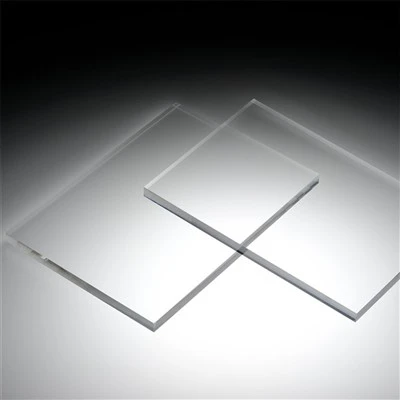
PMMA is a high molecular polymer, also known as acrylic or organic glass. It is formed by polymerization reaction of methyl methacrylate (MMA) under the action of crosslinking agents, catalysts, etc. It is an important plastic polymer material that was developed earlier. It has good transparency, chemical stability and weather resistance, easy dyeing, easy processing, beautiful appearance, low price, easy mechanical processing and other advantages. It is widely used in the construction industry and is a frequently used glass substitute. It can usually be divided into cast plates, extruded plates and molding compounds. In recent years, with the modification of polymethyl methacrylate (PMMA) and the advancement of composite material technology, the application of PMMA in medical polymer materials, optical display materials, plastic optical fibers, etc. has been expanded, and the development prospects are broad.
In 2024, several PMMA plants in China entered the trial production stage. Although they have not yet entered production, PMMA production capacity will surely increase significantly in the future. Looking at the later period, some new PMMA plants are still planned to be put into production, and the contradiction between supply and demand in the domestic PMMA market may be further aggravated. The current total PMMA production capacity in China is 540,000 tons/year, but most of it is mainly concentrated in East China, with a total capacity of 520,000 tons, accounting for 96% of the country's total capacity; the capacity in Northeast China is 20,000 tons/year, accounting for 4% of the country's total capacity. At present, the focus of domestic PMMA production companies is still mainly in East China.
In the future, there will still be many new PMMA plants put into operation in China. With the annual increase of PMMA production capacity, the total domestic PMMA production will surely increase. However, since the domestic PMMA demand is still difficult to fully absorb the overall domestic PMMA supply, the total PMMA production will increase, but it is difficult to reach the PMMA production capacity growth rate. Therefore, in the next five years, the domestic PMMA production capacity will increase significantly, and the production growth rate will slow down, which will affect the significant decline in capacity utilization, and the overall decline will be around 60%, or even lower.