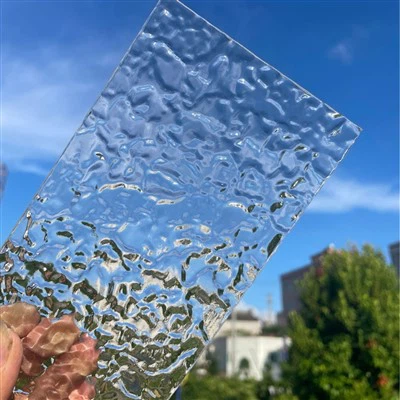
Hey there, folks! I'm a supplier of special acrylic sheets, and one question I get all the time is: "What methods can be used to bend special acrylic sheets?" Well, you're in luck because I'm gonna spill the beans on all the ways to give these nifty sheets that perfect curve.
Understanding Special Acrylic Sheets
First off, let's talk a bit about what we mean by "special acrylic sheets." We've got some really cool options in our lineup. There's the Fancy Acrylic Sheet, which has all sorts of unique textures and colors. It's like the rockstar of acrylic sheets! Then there's the Rainbow Acrylic Sheet that gives off this amazing prismatic effect. And don't forget the Transparent Anti - Static Acrylic Sheet, great for those high - tech applications where static is a no - no.
These sheets are different from regular acrylic in that they have special properties, like enhanced durability, unique visual effects, or anti - static capabilities. But, just like regular acrylic, they can be bent, and knowing how to do it right is key.
Heat Bending
One of the most common methods to bend special acrylic sheets is heat bending. This method works because acrylic softens when heated, allowing you to mold it into the shape you want.
Using a Heat Gun
A heat gun is a handy tool for small - scale bending projects. You can get one at your local hardware store for a reasonable price. First, make sure you're working in a well - ventilated area because the fumes from the heated acrylic can be a bit strong.
Start by marking the area where you want to bend the sheet. Set the heat gun to a medium temperature – around 300°F (150°C) is a good starting point. Keep the heat gun about 2 - 3 inches away from the acrylic and move it back and forth evenly along the marked line.
As the acrylic softens, you'll notice it becoming more flexible. Once it's soft enough, carefully and slowly bend the sheet to the desired angle. It's important not to rush this part because if you bend it too quickly, the sheet might crack. You can use a jig or a former to help you maintain the correct shape while the acrylic cools down and hardens.
Using an Oven
For larger sheets or more precise bending, an oven can be a great option. Preheat the oven to around 275°F (135°C). Place the acrylic sheet on a flat, heat - resistant surface, like a baking tray lined with parchment paper.
Once the oven is at the right temperature, put the acrylic in the oven and let it heat for about 10 - 15 minutes, depending on the thickness of the sheet. You'll need to keep an eye on it through the oven window. When the acrylic starts to sag, it's ready to be bent.
Carefully take the sheet out of the oven using heat - resistant gloves. Place it on a bending jig or support and quickly bend it to the desired shape. The oven gives a more even heat distribution, which can result in a smoother bend.
Cold Bending
Cold bending is another option, especially for thinner special acrylic sheets. The advantage of cold bending is that you don't need any heat - related equipment, which can be safer and more convenient in some situations.


To cold bend an acrylic sheet, you'll need a bending jig or a form that matches the shape you want. First, mark the bending line on the sheet. Then, place the sheet on the jig and gradually apply pressure along the marked line.
You can use clamps to hold the sheet in place as you bend it. It's important to apply the pressure slowly and evenly to avoid cracking the acrylic. Cold bending works best for gentle curves and is not suitable for sharp angles.
Vacuum Forming
Vacuum forming is a more advanced method that can be used to create complex shapes with special acrylic sheets. This method involves heating the acrylic sheet until it's soft and then using a vacuum to pull it over a mold.
Here's how it works. First, you need to create a mold of the shape you want. The mold can be made from wood, foam, or other materials. Place the mold in a vacuum - forming machine.
Heat the acrylic sheet using a heating element in the machine until it becomes pliable. Then, lower the sheet over the mold and turn on the vacuum. The air is sucked out from between the sheet and the mold, causing the acrylic to conform to the shape of the mold.
Once the acrylic has cooled and hardened, you can remove it from the mold. Vacuum forming is great for creating custom - shaped parts, like display cases or automotive components.
Factors to Consider
When you're choosing a bending method for your special acrylic sheets, there are a few factors to keep in mind.
Thickness of the Sheet
Thicker sheets are more difficult to bend and usually require more heat or force. For very thick sheets, heat bending in an oven might be the best option, while thinner sheets can be cold bent with relative ease.
Shape and Angle
The shape and angle of the bend also matter. Sharp angles are more challenging to achieve and might require more precise control of the heating and bending process. Gentle curves can be created using both heat and cold bending methods.
Special Properties
Don't forget about the special properties of your acrylic sheet. For example, the anti - static coating on the Transparent Anti - Static Acrylic Sheet could be damaged if not properly protected during the bending process. Make sure you do some tests before starting your main project to ensure the integrity of the sheet.
Conclusion
So there you have it – different methods for bending special acrylic sheets. Whether you're working on a DIY project at home or a large - scale commercial production, there's a method that'll suit your needs.
If you're in the market for high - quality special acrylic sheets, we're here to help! We've got a wide range of options, including the Fancy Acrylic Sheet, Rainbow Acrylic Sheet, and Transparent Anti - Static Acrylic Sheet. If you have any questions about our products or the bending process, don't hesitate to reach out. We're always happy to chat and help you find the perfect solution for your project.
References
- "Acrylic Plastics: Properties, Processing, and Applications" by John A. Brydson
- "Plastics Extrusion Technology" by Chris Rauwendaal