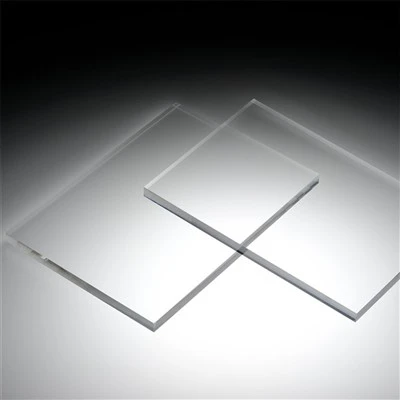
First, let's talk about clarity- the most obvious thing. PMMA is really good here, with 92%-95% light transmittance, and it doesn't shift colors. Like those side lenses on the AR glasses everyone's using now, or the display cases in luxury stores-they need PMMA to look high-end, so customers can see what's inside clearly. PETG is a bit behind, at 88%-90% transmittance, and it might turn a little yellow after sitting a while. But it's fine for everyday stuff, like clear jars for snacks or regular storage boxes-no one's gonna stare at them to check that small clarity difference.
Then there's durability, and here's where they're way different. PETG is known for being "drop-resistant." Like those microwaveable lunch boxes at home-if you drop one, it'll probably just bounce, not crack. I helped a client make soft cases for smartwatches a while back; PETG bends without breaking. PMMA is way more brittle. Those screen protectors for tablets? They're PMMA-yeah, the surface is hard (so scratches don't show easily), but if you drop it, it'll most likely shatter. So if the product gets handled a lot or might get dropped, go with PETG. If it just sits there and needs to resist scratches-like decorative panels on walls-PMMA is better.
You also need to think about heat and chemical resistance. PMMA hates heat; over 80°C, it gets soft. Don't put it near stovetops in the kitchen. And if you spill nail polish remover (acetone) on it? It'll mess up right away. PETG is better here-it can handle 100°C for short times, which is why it's used for microwaveable boxes. Spill vinegar or oil on it? Wipe it clean, and there's no mark. It's perfect for makeup bottles or spice jars.
Processing them is different too. For small batches-like custom display stands-PMMA is easy. Heat it to around 100°C, bend it, and use solvent to glue pieces together; the seam almost disappears. PETG doesn't need that much heat-80°C is enough to bend-but you need special glue, not solvent. It's good for mass-produced storage bins; the seam is a bit visible, but it's strong. Cost-wise, PETG is cheaper-save 7 to 8 dollars per square foot compared to PMMA. That adds up if you're making a lot.
In 2025, new areas are using them too. PMMA goes into AR glass lenses (needs that sharp clarity), and PETG into foldable phone cases (needs that flexibility). For recycling, PETG is easier-it's the same type as water bottles, so it can be melted down again. PMMA needs separate processing, which costs more. So if you're making disposable products, PETG is more eco-friendly.
To sum up: Want good looks, scratch resistance, or outdoor use (like signs)? Pick PMMA. Need something drop-resistant, heat-tolerant, or cheap for big batches (like storage or lunch boxes)? Go with PETG. No need to overcomplicate it-just match the plastic to what the product has to deal with.