

For teams working on global outdoor projects, UV-resistant acrylic sheet is really the only reliable option. Regular acrylic turns yellow in 6-12 months outside-but UV-resistant acrylic sheet has anti-UV additives, so it stays 88-90% clear even after 5+ years. Clients often say this makes UV-resistant acrylic sheet a money-saver; they don't have to replace materials every year like they used to.
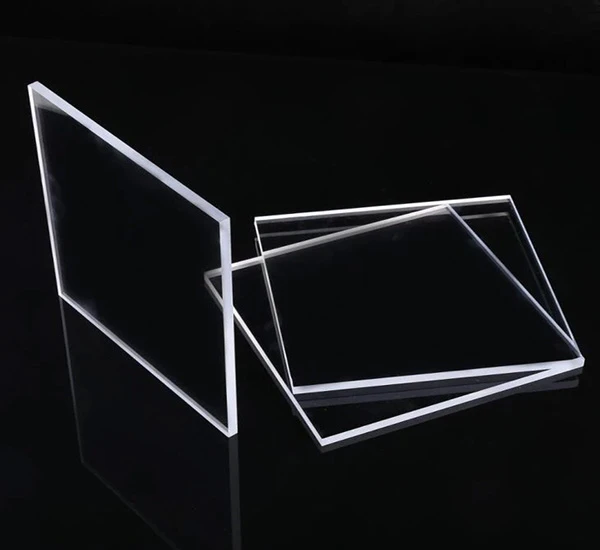
UV-resistant acrylic sheet works no matter the climate. Last year, we helped a Dubai advertising team switch to 5mm UV-resistant acrylic sheet for their street billboards-their replacement costs dropped 60% because the sheets didn't fade in the sun. In North America, contractors love 4-6mm variants for patio covers-it's lighter than glass, so installers don't need extra support, and it doesn't shatter when hail hits. Over in Southeast Asia, park managers pick 3-5mm UV-resistant acrylic sheet for shelter roofs; it doesn't get moldy from rain, and the sun never clouds it. For buyers, the key things to check: ASTM D1003 certification (to make sure it's actually UV-proof), thickness that fits your project (8-10mm for big billboards), and regional rules like EN 1090 for EU builds or UL 94 for the U.S.
The global UV-resistant acrylic sheet market grows 10% every year (2025-2028). We've noticed most growth comes from outdoor advertising-those regions are adding 20,000+ new outdoor ads each year, and brands don't want to redo signs every few months. It also works for green buildings, since it helps cut energy use. The best part for foreign trade businesses? It has 10-15% better margins than regular acrylic. At the end of the day, UV-resistant acrylic sheet fixes the biggest headache with outdoor materials: short lifespans. Whether it's a Dubai billboard or a Canadian patio, it holds up.


